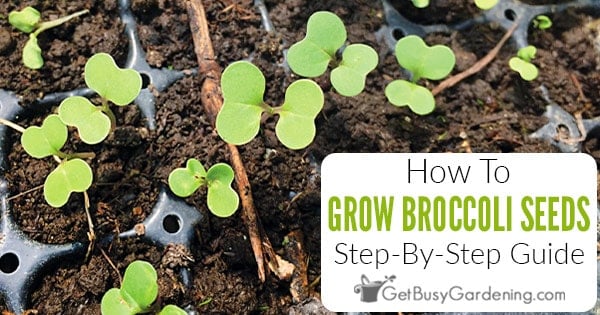
Grow Your Own Broccoli: The Ultimate Guide from Seed to Harvest
Imagine the satisfaction of harvesting your own fresh, crisp broccoli, plucking vibrant green florets straight from your garden for your dinner plate. No more guessing how long it's been in the grocery store or worrying about pesticides. Growing your own broccoli from seeds is a rewarding journey that transforms a tiny seed into a robust, nutrient-packed vegetable. This comprehensive guide will walk you through every essential step, empowering you to cultivate a thriving broccoli patch and enjoy the freshest produce possible.Choosing the Right Broccoli Seeds for Success
The foundation of a successful broccoli harvest begins with selecting the appropriate seeds. This crucial first step dictates your plant's potential, resilience, and flavor profile.- Reputable Seed Companies: Always opt for seeds from trusted suppliers. This ensures genetic quality, higher germination rates, and disease resistance.
- Climate Suitability: Broccoli varieties vary in their heat tolerance and growing duration. Research which types thrive best in your local climate. Some varieties are bred for warmer regions, while others excel in cooler, more temperate zones.
- Hybrid vs. Heirloom:
- Hybrid seeds are crosses between two distinct parent plants, often offering enhanced vigor, consistent yields, and improved disease resistance. They are a great choice if you prioritize predictability and a uniform harvest.
- Heirloom seeds are open-pollinated varieties that have been passed down through generations, prized for their unique flavors, traditional characteristics, and the ability to save seeds for future plantings. If flavor and preserving genetic diversity are important to you, heirlooms are an excellent choice.
- Early and Late Maturing Varieties: To enjoy a continuous harvest, consider planting a mix of early, mid, and late-maturing varieties. This staggering ensures you have fresh broccoli available over a longer period.
- Spacing and Size: Pay close attention to the mature size and spacing requirements listed on the seed packet. Broccoli plants can get quite large, and adequate spacing is vital for good air circulation and robust growth.
- Freshness is Key: Always check the packaging date. Old seeds often have significantly lower germination rates, leading to sparse seedlings and wasted effort. Fresh seeds ensure your efforts are well-rewarded.
By making informed choices at this stage, you're setting the stage for healthy, productive broccoli plants. For a deeper dive into seed selection and its impact, explore our article on Secrets to Bountiful Broccoli: Choosing Seeds & Perfecting Soil.
Mastering Soil Preparation for Optimal Growth
Broccoli is a heavy feeder and thrives in rich, well-prepared soil. Proper soil preparation is arguably as important as the seeds themselves, providing the essential nutrients and structure for strong root development.- Clear the Area: Begin by removing any weeds, rocks, or debris from your chosen planting site. This ensures your broccoli roots don't have to compete for resources.
- Test Your Soil: Broccoli prefers slightly acidic to neutral soil, ideally with a pH between 6.0 and 7.5. A soil test kit, available at most garden centers, will give you accurate readings. If your soil is too acidic, you can raise the pH by adding agricultural lime; if it's too alkaline, incorporate elemental sulfur or peat moss.
- Enrich with Organic Matter: Broccoli absolutely loves nutrient-rich soil. Work in a generous amount of well-rotted compost, aged manure, or other organic matter. This not only provides a steady supply of nutrients but also improves soil structure, drainage, and water retention. Aim for at least 2-4 inches of organic matter mixed into the topsoil.
- Loosen the Soil: Use a garden fork or tiller to loosen the soil to a depth of at least 12-18 inches. This allows broccoli's relatively shallow, but spreading, root system to penetrate easily, access nutrients, and anchor the plant securely.
- Drainage is Paramount: Broccoli hates "wet feet." Ensure your planting area has excellent drainage to prevent waterlogging, which can lead to root rot. If your soil is heavy clay, amending it with sand and organic matter is crucial. Raised beds are an excellent option for ensuring superb drainage and aeration.
- Consider Row Spacing: If planting in rows, space them about 18-36 inches apart to allow for mature plant size and ease of access for weeding and harvesting. For individual plants, aim for 10-18 inches apart.
By investing time in proper soil preparation, you're creating an ideal environment for your broccoli plants to flourish and produce abundant, healthy heads. Remember, happy roots make happy plants!
Planting Your Broccoli Seeds: Indoors vs. Direct Sowing
The decision to start seeds indoors or direct sow depends on your climate, the length of your growing season, and personal preference. Broccoli generally thrives as a spring or fall crop, as it doesn't do well in intense summer heat.Starting Seeds Indoors (Recommended for most climates):
Starting seeds indoors gives your broccoli a head start, protecting tender seedlings from early season pests and unpredictable weather. Plan to start seeds 6-8 weeks before your last anticipated frost date for a spring crop, or 8-12 weeks before your first fall frost for an autumn harvest.
- Seed Trays: Use seed-starting trays or small pots (e.g., 72-cell plug flats) filled with a sterile, well-draining seed-starting mix.
- Sowing Depth: Sow 2 seeds per cell or 3-4 seeds per inch in rows, approximately 1/4 inch deep. Sowing a couple of seeds per spot allows you to thin out the weaker seedling later.
- Temperature Control: For optimal germination, keep the soil temperature consistently between 75-80°F (24-27°C). A heating mat can be very beneficial here. Once seeds germinate (typically 5-10 days), reduce the air temperature to around 60°F (16°C) to prevent leggy growth.
- Light & Air Circulation: Provide plenty of light (12-16 hours daily) using grow lights positioned just a few inches above the seedlings. Good air circulation is also crucial to prevent fungal diseases; a small fan can help.
- Thinning: Once seedlings have developed their first true leaves, thin them to one strong seedling per cell by snipping the weaker one at the soil line.
- Hardening Off: About a week before transplanting outdoors, gradually acclimate your seedlings to outdoor conditions. This "hardening off" process involves exposing them to increasing periods of sun, wind, and cooler temperatures each day, protecting them from shock when permanently moved.
Direct Sowing (Suitable for long, mild growing seasons):
In regions with long, mild springs or falls, you can direct sow broccoli seeds directly into the garden bed. Add approximately 20 days to the "days to maturity" listed on the seed packet if direct sowing, as indoor-started plants have a head start.
- Timing: Sow seeds directly once the danger of hard frost has passed in spring, or about 85-120 days before your first fall frost.
- Sowing: Plant seeds 1/4 inch deep, 3-4 inches apart in rows, or in clusters where you want individual plants.
- Thinning: Once seedlings emerge and show a few true leaves, thin them to their final spacing of 10-18 inches apart. This is crucial for healthy development.
- Consistent Moisture: Keep the seedbed consistently moist but not waterlogged until germination occurs and seedlings are established.
For more detailed insights on climate, soil, and planting techniques for successful broccoli, refer to our article: Successful Broccoli From Seeds: Climate, Soil & Planting Tips.
Nurturing Your Broccoli: Ongoing Care and Troubleshooting
Once your broccoli plants are in the ground, consistent care will ensure they grow strong and produce bountiful harvests.- Watering: Broccoli requires consistent moisture throughout its growing season. Aim for 1-1.5 inches of water per week, either from rainfall or irrigation. Water deeply and regularly, especially during dry spells and when heads are forming. Avoid overhead watering if possible, as it can encourage fungal diseases; drip irrigation or soaker hoses are ideal.
- Fertilizing: As heavy feeders, broccoli plants benefit from regular nutrition. About 2-3 weeks after transplanting (or when direct-sown plants are 6 inches tall), apply a balanced organic fertilizer or one slightly higher in nitrogen to encourage leafy growth. Once heads begin to form, switch to a fertilizer higher in phosphorus and potassium. Side-dress with compost halfway through the growing season for a continuous nutrient boost.
- Temperature Management: Broccoli thrives in cooler temperatures, ideally between 60-75°F (16-24°C). Temperatures consistently above 80°F (27°C) can cause plants to "bolt" (flower prematurely) or produce small, bitter heads. In hot climates, provide partial shade during the hottest part of the day or plant heat-tolerant varieties.
- Pest Control: Keep an eye out for common broccoli pests like cabbage worms, aphids, and flea beetles.
- Cabbage worms: Hand-pick these green caterpillars or use organic insecticides like Bt (Bacillus thuringiensis). Row covers can prevent moths from laying eggs.
- Aphids: Blast them off with a strong stream of water, introduce beneficial insects like ladybugs, or spray with insecticidal soap.
- Flea beetles: Use sticky traps or finely crushed diatomaceous earth around the base of plants.
- Weeding & Mulching: Keep your broccoli beds free of weeds, which compete for nutrients and water. Apply a 2-4 inch layer of organic mulch (like straw, shredded leaves, or wood chips) around your plants. Mulch helps retain soil moisture, suppress weeds, and regulate soil temperature, benefiting your plants immensely.
Harvesting Your Bounty: When and How to Pick
The moment you've been waiting for! Harvesting broccoli at the right time ensures the best flavor and encourages further production.- Timing: Broccoli is ready to harvest when the central head is firm, tight, and dark green, with small, tightly closed florets. The size can vary by variety, but generally, heads will be 4-8 inches across. Do not wait for the florets to start loosening or turning yellow, as this indicates the plant is about to flower, and the flavor will deteriorate.
- How to Cut: Use a sharp knife to cut the main head from the plant. Make the cut at a slight angle about 4-6 inches below the head, leaving some stem and leaves. This encourages the plant to produce side shoots.
- Encouraging Side Shoots: After harvesting the main head, your broccoli plant will often produce smaller side shoots from the leaf axils. These mini-broccoli heads are just as delicious and will extend your harvest for several more weeks. Continue to harvest these regularly to encourage more production.
- Storage: Freshly harvested broccoli can be stored in the refrigerator in a plastic bag for up to 5-7 days. For longer storage, blanch and freeze the florets.
