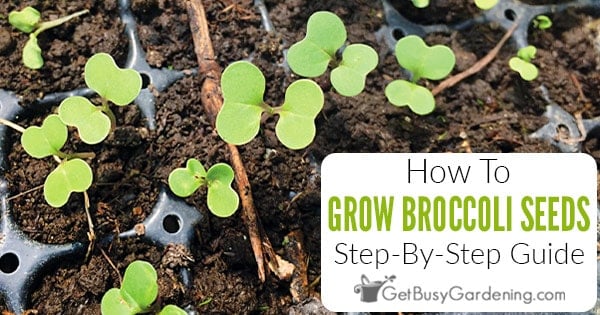
Ever dreamt of plucking fresh, crisp broccoli straight from your own backyard? The journey from a tiny seed to a magnificent, edible head of broccoli is incredibly rewarding, and surprisingly achievable for any home gardener. Imagine the satisfaction of serving a meal featuring your very own homegrown produce, knowing exactly how it was cultivated. This comprehensive guide will unlock the secrets to a bountiful broccoli harvest, focusing on the critical initial steps: choosing the right seeds and perfecting your soil.
Far beyond just a healthy vegetable, cultivating broccoli offers a direct connection to nature and the simple joy of self-sufficiency. Forget the grocery store produce aisle; with a little knowledge and effort, you’ll soon be a seasoned broccoli grower, ready to enjoy the freshest florets whenever the craving strikes. Let's dive in and transform your gardening aspirations into a thriving broccoli patch.
The Foundation of Flavor: Selecting Your Broccoli Seeds
The success of your broccoli crop begins long before the first sprout appears – it starts with the seeds you choose. Making informed decisions here sets the stage for healthy, productive plants tailored to your specific gardening environment.
Prioritizing Quality and Suitability
- Reputable Seed Companies: Always opt for seeds from well-known and trusted suppliers. This ensures you're getting viable, healthy seeds with accurate varietal information.
- Climate and Growing Conditions: Research broccoli varieties suitable for your local climate. Some varieties are more heat-tolerant, while others thrive in cooler conditions. Consider your region's average temperatures, frost dates, and length of growing season.
- Hybrid vs. Heirloom: This choice depends on your priorities:
- Hybrid Seeds: Often bred for specific desirable traits like disease resistance, uniform maturity, or larger head size. They tend to offer consistent performance and higher yields. However, seeds saved from hybrid plants typically don't grow true to type.
- Heirloom Seeds: Open-pollinated varieties passed down through generations, cherished for their traditional flavors and unique characteristics. They allow you to save seeds for future plantings, preserving genetic diversity and adapting plants to your specific garden over time. The flavor profile can often be richer and more distinct.
- Continuous Harvest Strategy: For an extended harvest window, select a mix of early-maturing and late-maturing varieties. This staggering of maturity dates ensures you're not overwhelmed with too much broccoli at once and can enjoy fresh heads for a longer period.
- Size and Spacing: Pay attention to the mature head size and recommended plant spacing for each variety. This will influence how many plants you can fit in your garden and how large your individual broccoli heads will grow.
The Importance of Freshness
Always check the packaging date on your seed packets. Old seeds can have significantly lower germination rates, leading to sparse plantings and a disappointing yield. Fresh seeds are vital for strong, vigorous starts. If you have older seeds, consider performing a simple germination test (placing a few seeds between moist paper towels) before committing to a full planting. Store any unused seeds in a cool, dry, dark place to maintain their viability.
Remember, the right seeds are the cornerstone of a thriving broccoli crop. By making thoughtful choices now, you're setting yourself up for success later. To delve deeper into the entire journey, from this initial selection to harvest, check out our guide on Grow Your Own Broccoli: Essential Steps from Seed to Harvest.
Cultivating the Perfect Home: Preparing Your Soil for Success
Just as a sturdy foundation is crucial for a house, healthy, well-prepared soil is non-negotiable for robust broccoli plants. Broccoli is a heavy feeder and demands specific soil conditions to truly flourish.
Clearing and Conditioning
- Weed and Debris Removal: Begin by thoroughly clearing your chosen planting area of any weeds, rocks, or other debris. Competing weeds will steal vital nutrients and moisture from your young broccoli plants.
- Ensuring Excellent Drainage: Broccoli roots despise sitting in water. Well-drained soil is paramount to prevent root rot and ensure proper oxygen flow to the roots. If you have heavy clay soil, drainage can be improved significantly by incorporating plenty of organic matter. Raised beds are also an excellent option, naturally providing superior drainage and aeration.
- Soil pH Testing: Broccoli prefers slightly acidic to neutral soil, ideally with a pH range of 6.0 to 7.5. Investing in a soil test kit will give you precise readings. If your pH is too low (too acidic), you can raise it by adding agricultural lime. If it's too high (too alkaline), elemental sulfur can help lower it.
Enriching and Loosening
Broccoli is a nutrient-hungry plant. To provide the best possible start, you'll need to enrich your soil generously:
- Organic Matter is King: Work in a substantial amount of well-rotted compost or aged manure. These organic materials are nutrient powerhouses, providing a slow-release supply of essential elements like nitrogen, phosphorus, and potassium. Beyond nutrients, they also dramatically improve soil structure, enhancing water retention in sandy soils and improving drainage and aeration in clay soils.
- Deep Tillage: Use a garden fork or tiller to loosen the soil to a depth of at least 12 inches. This allows broccoli's roots to grow deeply, anchoring the plant securely and enabling them to access nutrients and moisture from a larger soil volume.
Layout and Protection
- Planting Layout: If planting in traditional rows, space them about 18-36 inches apart to allow for proper air circulation and future growth. For individual plants within rows, aim for 10-18 inches apart. Raised beds offer flexibility and can be planted more intensively in a grid pattern.
- Mulching Benefits: Once your seedlings are established, apply a 2-4 inch layer of organic mulch, such as straw, shredded leaves, or wood chips. Mulch offers numerous advantages:
- Moisture Retention: It significantly reduces water evaporation from the soil, meaning you'll need to water less frequently.
- Weed Suppression: It blocks sunlight from reaching weed seeds, reducing competition for your broccoli.
- Temperature Regulation: It insulates the soil, keeping it cooler in hot weather and warmer in cool weather, which is beneficial as broccoli generally doesn't tolerate extreme heat well.
- Consistent Moisture: Before planting your seeds or transplanting seedlings, ensure the soil is evenly moist. Broccoli requires consistent watering throughout its growing season for optimal head development. Proper soil preparation, particularly with organic matter and mulching, greatly aids in maintaining this crucial moisture balance.
By preparing your soil with care, you're building a robust foundation for healthy and vigorous broccoli plants. This vital step contributes significantly to your overall success, as detailed further in our article on Successful Broccoli From Seeds: Climate, Soil & Planting Tips.
From Seedling to Sprout: Nurturing Germination and Early Growth
Once your seeds are chosen and your soil is prepped, it’s time for the magic of germination to begin. This stage requires attention to detail to ensure strong, healthy seedlings ready for the garden.
Sowing Your Seeds
Broccoli can be started indoors or direct-sown, depending on your climate and desired harvest time.
- Indoor Sowing: This is generally recommended for most climates, especially if you want an early harvest or have a shorter growing season.
- Timing: Sow seeds indoors about 6-8 weeks before your last expected frost date for a spring crop, or 10-12 weeks before the first fall frost for an autumn harvest.
- Containers: Use seed-starting flats, individual cell packs (like 72-cell plug flats), or small pots. Sow 2 seeds per cell or 3-4 seeds per inch in row flats. This allows for thinning later.
- Depth: Plant seeds approximately ¼ inch deep.
- Germination Environment: Broccoli seeds germinate best with a consistent soil temperature of 75-80°F (24-27°C). A heating mat placed under your seed trays can be incredibly helpful for achieving this. Keep the soil consistently moist but not waterlogged.
- Direct Sowing Outdoors: In regions with long, mild springs or falls, you can direct sow broccoli seeds. However, note that direct-sown plants may take about 20 days longer to mature than transplanted ones.
- Timing: Once the danger of hard frost has passed and soil temperatures consistently reach at least 50°F (10°C).
- Depth and Spacing: Sow seeds ¼ inch deep, about 3-4 inches apart in rows, and thin later.
Post-Germination Care
Once your tiny broccoli sprouts emerge, usually within 5-10 days, their needs shift slightly:
- Temperature Reduction: After germination, reduce the air temperature around your seedlings to about 60°F (16°C). This cooler temperature helps prevent leggy, weak growth and promotes sturdy stems.
- Light and Air Circulation: Provide ample light (12-16 hours daily) using grow lights, positioning them just a few inches above the seedlings. Good air circulation is crucial to prevent fungal diseases like 'damping off.' A small fan can help strengthen stems and improve airflow.
- Thinning: If you sowed multiple seeds per cell or closely in rows, thin them to the strongest single seedling per spot once they have developed their first true leaves. Snip the weaker seedlings at the soil line with small scissors to avoid disturbing the roots of the keepers.
- Watering: Continue to keep the soil evenly moist, watering from the bottom to prevent wetting the foliage, which can encourage disease.
Hardening Off and Transplanting
Your seedlings should be ready for transplanting outdoors in about 3-4 weeks from sowing. Before moving them permanently, you must "harden them off." This process gradually acclimatizes them to outdoor conditions:
- Hardening Off: Over 7-10 days, progressively expose seedlings to outdoor elements – starting with a few hours in a sheltered, shady spot and gradually increasing their time outdoors and exposure to sun and wind. Bring them indoors if temperatures drop significantly.
- Transplanting: Once hardened off and the outdoor soil is warm enough, transplant your seedlings. Dig holes large enough to accommodate the root ball. Space plants 10-18 inches apart within rows, and ensure rows are 18-36 inches apart. Plant them at the same depth they were in their seedling trays. Water thoroughly after transplanting.
Essential Care for Thriving Broccoli
Once your broccoli plants are established, ongoing care ensures a robust harvest.
- Consistent Watering: Broccoli plants are thirsty, requiring a consistent supply of moisture, especially during head formation. Aim for deep, regular watering, about 1-1.5 inches per week, either from rainfall or irrigation. Avoid letting the soil dry out completely between waterings. Drip irrigation or soaker hoses are ideal, as they deliver water directly to the roots and keep foliage dry, reducing disease risk.
- Fertilization: Being heavy feeders, broccoli benefits from supplemental nutrition. About 2-3 weeks after transplanting, side-dress plants with a balanced organic fertilizer or a high-nitrogen amendment like blood meal or compost tea. Repeat every 3-4 weeks until harvest.
- Pest and Disease Management: Keep a watchful eye for common broccoli pests such as cabbage worms, aphids, and flea beetles. Organic solutions like hand-picking caterpillars, applying neem oil, or using row covers can protect your plants. Ensure good air circulation to deter fungal diseases.
- Temperature Sensitivity: While newer heat-tolerant varieties exist, broccoli generally thrives in cooler temperatures of spring and fall. Extreme heat can cause plants to 'bolt' (flower prematurely), leading to bitter, small heads. Providing some afternoon shade in warmer climates can help.
- Harvesting: Harvest the main central head when it is firm, tight, and still green, before the florets begin to loosen or show yellow flowers. Cut the stem at an angle about 6 inches below the head. Often, side shoots will develop after the main head is harvested, providing a bonus, smaller yield!
Growing broccoli from seeds is an enriching experience that connects you directly to the food you eat. By carefully selecting your seeds, meticulously preparing your soil, and nurturing your young plants through germination and early growth, you are well on your way to a prolific and delicious harvest. The effort invested in these initial stages truly pays off in the quality and quantity of your homegrown broccoli. So, roll up your sleeves, get your hands dirty, and enjoy the journey to your very own green paradise!
