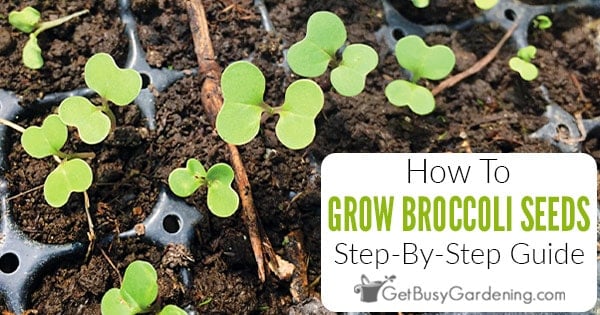
Successful Broccoli From Seeds: Climate, Soil & Planting Tips
Imagine harvesting crisp, vibrant broccoli florets straight from your own garden, a testament to your green thumb and a healthy addition to any meal. The journey to this rewarding experience begins with understanding the fundamentals of
how to grow broccoli from seeds. While it might seem daunting at first, cultivating this cool-season cruciferous vegetable is entirely achievable with the right knowledge and a bit of care. This comprehensive guide will walk you through everything from selecting the best seeds to preparing the ideal growing environment and nurturing your young plants into a bountiful harvest. Get ready to transform your backyard into a productive oasis and enjoy the unparalleled taste of homegrown broccoli.
Laying the Foundation: Choosing the Right Broccoli Seeds
The first crucial step in successfully growing broccoli from seeds is selecting the right varieties. The quality and type of seed you choose will significantly impact your harvest, so it's wise to invest a little time in this decision.
Firstly, always opt for seeds from
reputable seed companies. These companies typically offer seeds with higher germination rates, better disease resistance, and accurate varietal descriptions. Check the packaging date to ensure freshness; old seeds can have significantly reduced viability, leading to sparse or uneven germination.
Next, consider the specific needs of your garden. Are you looking for a continuous harvest? Then a mix of
early-maturing and
late-maturing varieties would be ideal. Early varieties, such as 'Green Magic' (a popular hybrid known for its uniformity and heat tolerance), mature quickly, offering a fast return. Late varieties, like 'Waltham 29' (a well-regarded heirloom), provide a later harvest, extending your picking season.
You'll also need to decide between
hybrid and heirloom varieties.
*
Hybrid seeds are created by cross-pollinating two different parent plants, often resulting in plants with improved disease resistance, higher yields, and more uniform head sizes. However, you cannot save seeds from hybrid plants that will reliably produce the same characteristics.
*
Heirloom seeds, on the other hand, are open-pollinated varieties that have been passed down through generations. They are prized for their unique flavors, traditional characteristics, and the ability to save their seeds year after year to grow true-to-type plants. 'Calabrese' is a classic heirloom choice, known for its central head and abundant side shoots.
Finally, always choose varieties suitable for your local climate and growing conditions. While some newer hybrid varieties boast increased heat tolerance, broccoli generally thrives in cooler weather. For more in-depth advice on making the best seed choices, consult resources like
Secrets to Bountiful Broccoli: Choosing Seeds & Perfecting Soil.
Cultivating the Perfect Environment: Soil & Climate Considerations
Broccoli, like many members of the Brassica family, is quite particular about its growing environment, especially when it comes to soil and climate. Providing optimal conditions is key to ensuring robust plant growth and a bountiful harvest.
Ideal Soil Conditions
Broccoli thrives in
well-drained, fertile soil that is rich in organic matter. Before planting, dedicate time to soil preparation:
1.
Clear the Area: Begin by removing any weeds, rocks, or debris from your chosen planting site. This ensures your broccoli roots have ample space to grow without competition.
2.
Test Your Soil: Broccoli prefers a slightly acidic to neutral pH, ideally between 6.0 and 7.5. A soil test kit can accurately determine your soil's current pH level. If your soil is too acidic (below 6.0), you can raise the pH by adding agricultural lime. If it's too alkaline (above 7.5), incorporate elemental sulfur or peat moss to lower it. Adjustments should be made several weeks before planting to allow them to take effect.
3.
Enrich with Organic Matter: Broccoli is a heavy feeder and benefits immensely from nutrient-rich soil. Work in a generous amount of well-rotted compost or aged manure to a depth of at least 12 inches. This not only provides essential nutrients but also improves soil structure, enhancing drainage in heavy clay soils and water retention in sandy soils.
4.
Loosen the Soil: Use a garden fork or tiller to loosen the soil to a depth of around 12-15 inches. This aeration allows roots to penetrate deeply, accessing moisture and nutrients more easily.
5.
Consider Raised Beds: If your native soil is heavy clay or drains poorly, raised garden beds are an excellent option. They offer superior drainage and allow for better control over soil composition.
6.
Mulch: After planting, apply a 2-4 inch layer of organic mulch, such as straw, shredded leaves, or wood chips. Mulch helps retain soil moisture, suppresses weed growth, and regulates soil temperature, keeping roots cool in warmer periods and warmer in cooler periods.
Climate Preferences
Broccoli is a cool-season crop, meaning it performs best in moderate temperatures.
*
Ideal Temperatures: For optimal growth and head development, broccoli prefers daytime temperatures between 60°F and 75°F (16-24°C).
*
Spring and Fall Crops: The best success is typically achieved with spring and fall plantings. Spring crops should be timed so that heads mature before the intense heat of summer. Fall crops benefit from gradually cooling temperatures, which sweeten the flavor of the florets.
*
Avoiding Heat Stress: While some varieties are more heat-tolerant, broccoli generally does not fare well in hot weather (consistently above 80°F or 27°C). High temperatures can cause plants to "bolt" (go to seed prematurely) or produce small, loose, bitter heads.
*
Consistent Moisture: A consistent supply of moisture throughout the growing season is crucial. Broccoli plants require about 1-1.5 inches of water per week, either from rainfall or irrigation. Irregular watering can lead to stress, impacting head development.
From Seed to Seedling: Mastering the Planting Process
Now that you've selected your seeds and prepared your soil, it's time to get your broccoli growing! Most gardeners find success by starting broccoli seeds indoors, which allows for an earlier harvest and better control over the delicate germination phase.
Starting Seeds Indoors
About 6-8 weeks before your last anticipated frost date (for a spring crop) or 10-12 weeks before your first fall frost (for a fall crop), begin the indoor planting process:
1.
Choose Your Containers: Use seed-starting trays or small pots (like 72-cell plug flats) filled with a sterile, well-draining seed-starting mix.
2.
Sowing Seeds: Sow seeds about 1/4 inch deep. Plant 2 seeds per cell or every 3-4 inches in a larger flat. This accounts for potential non-germination and allows you to thin to the strongest seedling later.
3.
Germination Temperature: Broccoli seeds germinate best when the soil temperature is kept consistently warm, ideally between 75-80°F (24-27°C). A heat mat can be incredibly helpful for maintaining this temperature. Germination typically occurs within 5-10 days.
4.
Post-Germination Care: Once seeds have germinated, remove the heat mat and reduce the ambient air temperature to around 60°F (16°C). This cooler temperature encourages sturdy, compact growth rather than leggy, weak seedlings. Provide ample light immediately after germination, ideally from grow lights positioned just a few inches above the seedlings for 12-16 hours a day. Ensure good air circulation to prevent fungal diseases like damping-off.
5.
Thinning: Once seedlings have developed their first set of true leaves, thin them to the strongest seedling per cell by snipping the weaker one at the soil line with small scissors.
Hardening Off and Transplanting Outdoors
Seedlings should be ready for transplanting outdoors in about 3-4 weeks from germination, or when they are 4-6 inches tall and have 3-4 true leaves.
1.
Harden Off: Before moving seedlings permanently outdoors, they need to be "hardened off." This process gradually acclimatizes them to outdoor conditions (wind, sun, fluctuating temperatures). Over 7-10 days, gradually expose them to increasing periods outdoors, starting with a few hours in a sheltered, shady spot and slowly moving them to more sun and leaving them out longer, eventually overnight if temperatures permit.
2.
Transplant: Once hardened off and after the danger of hard frost has passed, transplant your broccoli seedlings into the garden. Space individual plants 10-18 inches apart in rows that are 18-36 inches apart. Plant them at the same depth they were in their seedling trays. Water thoroughly immediately after transplanting. For a complete guide to moving from seeds to a full harvest, explore
Grow Your Own Broccoli: Essential Steps from Seed to Harvest.
Nurturing Your Young Plants: Post-Germination Care
After the initial excitement of germination and successful transplanting, consistent care will ensure your broccoli plants flourish and produce abundant heads.
*
Consistent Watering: Broccoli requires consistent moisture. The key is to keep the soil evenly moist but not waterlogged. Check the soil moisture frequently, especially during dry spells. Deep, infrequent watering is generally better than shallow, frequent watering, as it encourages deeper root growth.
*
Fertilization: As heavy feeders, broccoli plants benefit from regular nutrition. About 2-3 weeks after transplanting, and again when heads begin to form, side-dress with a balanced organic fertilizer or a compost tea. Avoid high-nitrogen fertilizers once heads start to develop, as too much nitrogen can encourage leafy growth at the expense of florets.
*
Weed Control: Keep the area around your broccoli plants free of weeds, as weeds compete for water, nutrients, and sunlight. The mulch layer you applied earlier will significantly help in weed suppression. Hand-pulling any stubborn weeds is preferable to shallow cultivation, which can damage delicate surface roots.
*
Pest and Disease Management: Keep an eye out for common broccoli pests like cabbage worms, aphids, and flea beetles. Early detection is crucial. Organic pest control methods include hand-picking caterpillars, using insecticidal soap for aphids, or covering young plants with row covers to deter flying insects. Good air circulation (provided by proper spacing) and consistent watering also help prevent common fungal diseases.
Growing your own broccoli from seeds is an incredibly rewarding experience, offering not just fresh, nutritious food but also immense satisfaction. By paying close attention to seed selection, providing optimal soil and climate conditions, and meticulously caring for your young plants, you'll be well on your way to enjoying delicious, homegrown broccoli for many meals to come. Embrace the journey, learn from your experiences, and savor the taste of your hard work!